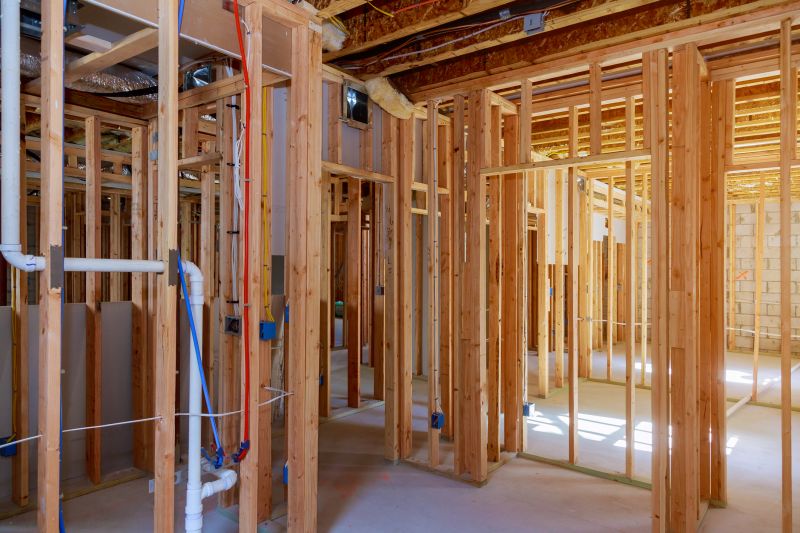
Basement Plumbing Installation in Denver, CO
Basement plumbing installation services encompass the setup of essential plumbing systems in the lower levels of a property, including the installation of water supply lines, drainpipes, and fixtures such as sinks, toilets, and laundry hookups. These services are often requested during new construction, basement finishing projects, or when upgrading existing plumbing infrastructure to improve functionality or meet new code requirements. Homeowners typically want to understand the scope of work involved, the materials used, and how the installation will integrate with existing plumbing systems to ensure reliable water flow and drainage.
Before requesting basement plumbing installation, property owners should consider the layout of their basement, any specific fixture preferences, and the intended use of the space. It’s also helpful to clarify whether the project involves new construction or renovation, as this can influence the complexity and planning needed. Proper planning ensures that the plumbing system is designed efficiently, minimizes future issues, and aligns with local building codes and standards. Contacting a professional can provide guidance on project feasibility and help prepare for a smooth installation process.
Many property owners in Denver, CO look into Basement Plumbing Installation for repairs, replacements, upgrades, and appearance-related improvements.
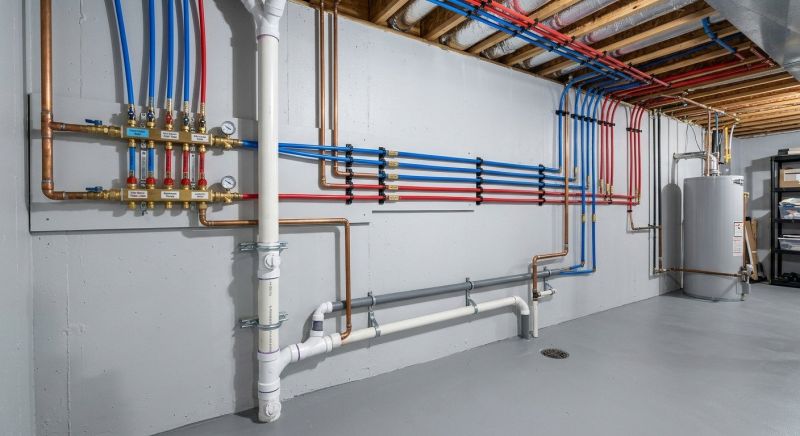
Basement Plumbing System Design
Proper planning ensures efficient water flow and drainage in basement spaces.
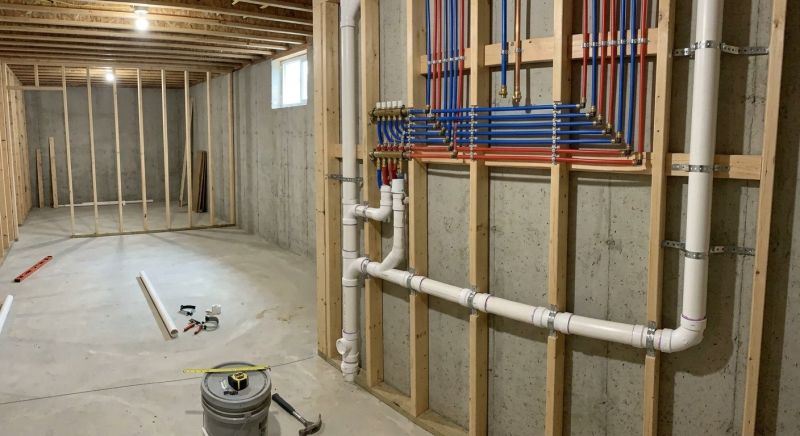
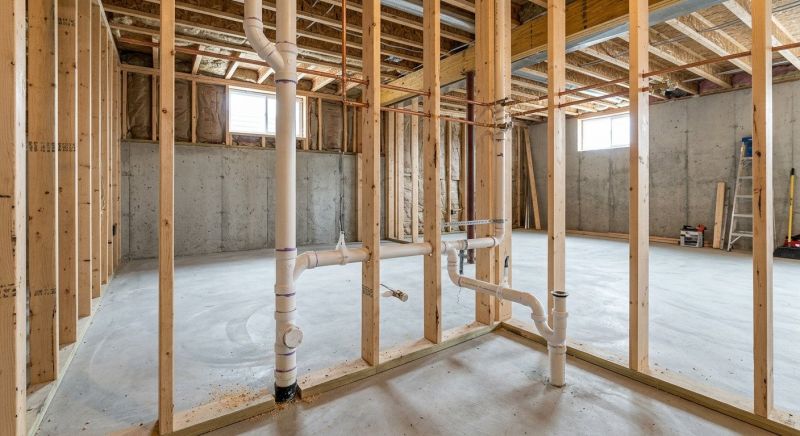
Installation Of Pipes And Fixtures
Quality installation of pipes, sinks, and toilets helps prevent leaks and future repairs.
Leak Detection And Repair
Early detection and fixing of plumbing leaks protect property value and prevent water damage in denver homes.
Basement Plumbing Installation in Denver, CO
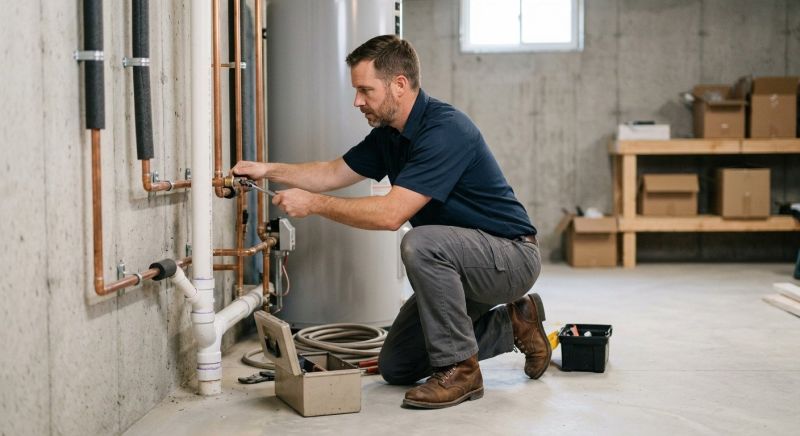
Basement plumbing installation services encompass the setup of essential plumbing systems in the lower levels of a property, including the installation of water supply lines, drainpipes, and fixtures such as sinks, toilets, and laundry hookups. These services are often requested during new construction, basement finishing projects, or when upgrading existing plumbing infrastructure to improve functionality or meet new code requirements. Homeowners typically want to understand the scope of work involved, the materials used, and how the installation will integrate with existing plumbing systems to ensure reliable water flow and drainage.
Before requesting basement plumbing installation, property owners should consider the layout of their basement, any specific fixture preferences, and the intended use of the space. It’s also helpful to clarify whether the project involves new construction or renovation, as this can influence the complexity and planning needed. Proper planning ensures that the plumbing system is designed efficiently, minimizes future issues, and aligns with local building codes and standards. Contacting a professional can provide guidance on project feasibility and help prepare for a smooth installation process.
Many property owners in Denver, CO look into Basement Plumbing Installation for repairs, replacements, upgrades, and appearance-related improvements.
Common Basement Plumbing Installation Jobs
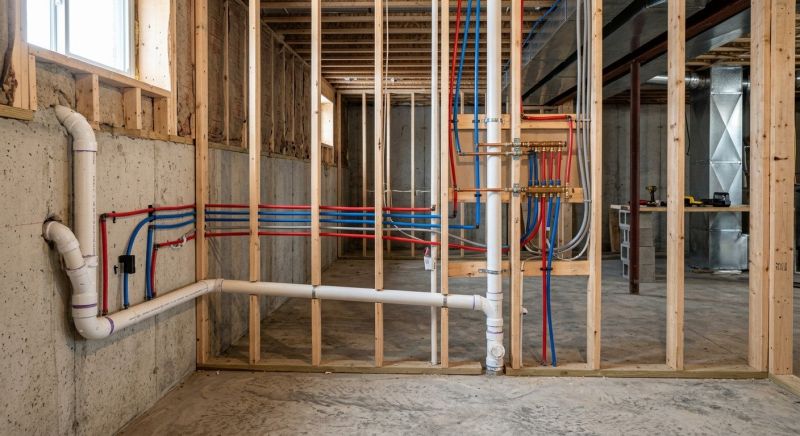
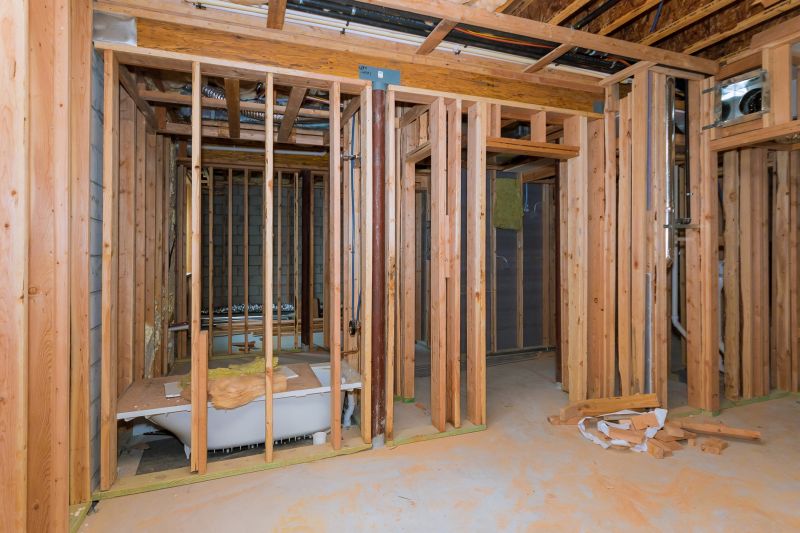
Basement plumbing installation involves setting up new water supply and drainage systems for finished or unfinished basement spaces.
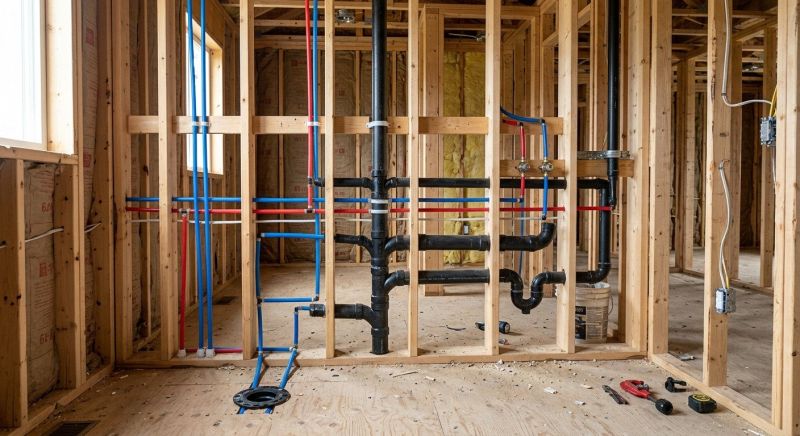
Bathroom additions include installing plumbing for new showers, tubs, sinks, and toilets in basement areas.
Laundry room plumbing covers connecting washers, sinks, and drainage for basement laundry setups.
Water line upgrades involve replacing or extending existing water lines to support basement fixtures.
Sump pump and drainage systems installation helps protect basements from flooding and water damage.
Fixture replacement includes installing or upgrading sinks, toilets, and other plumbing fixtures in basement spaces.
Basement Plumbing Installation Questions
What types of basement plumbing installations are commonly requested? Typical projects include installing new sump pumps, laundry hookups, bathroom fixtures, and water supply lines for home upgrades.
Is it necessary to upgrade existing plumbing during basement renovations? Upgrading may be recommended to improve water flow, prevent leaks, or meet current plumbing standards for safety and efficiency.
What should property owners consider before installing new basement plumbing? It's important to assess the existing plumbing system, plan for proper drainage, and ensure sufficient water pressure for the new fixtures.
Are there any permits required for basement plumbing installation? Permit requirements vary by location; checking local building codes helps ensure the project complies with regulations.
Request Basement Plumbing Installation in Denver, CO
Use the quote form on this page to share the basics of your project and request more information for the type of work you need.